Go to the main content of this page

Dialogue with Stakeholders

Overview

We recognize that appropriately reflecting the opinions of our stakeholders in our management is one of our most important management issues in order to achieve sustainable growth and increase our corporate value over the medium to long term.
We strive to deepen mutual understanding and build relationships of trust by sharing information with a wide range of parties, including consumers/customers, employees, business partners, shareholders/investors, local communities, NPOs/NGOs, academia, etc. Collaboration with all of these parties is particularly essential when formulating strategies based on an ESG perspective and addressing global social issues.
We will continue to contribute to the realization of a sustainable society by responding to society's expectations and requests through dialogue and promoting more progressive initiatives.

Attempt
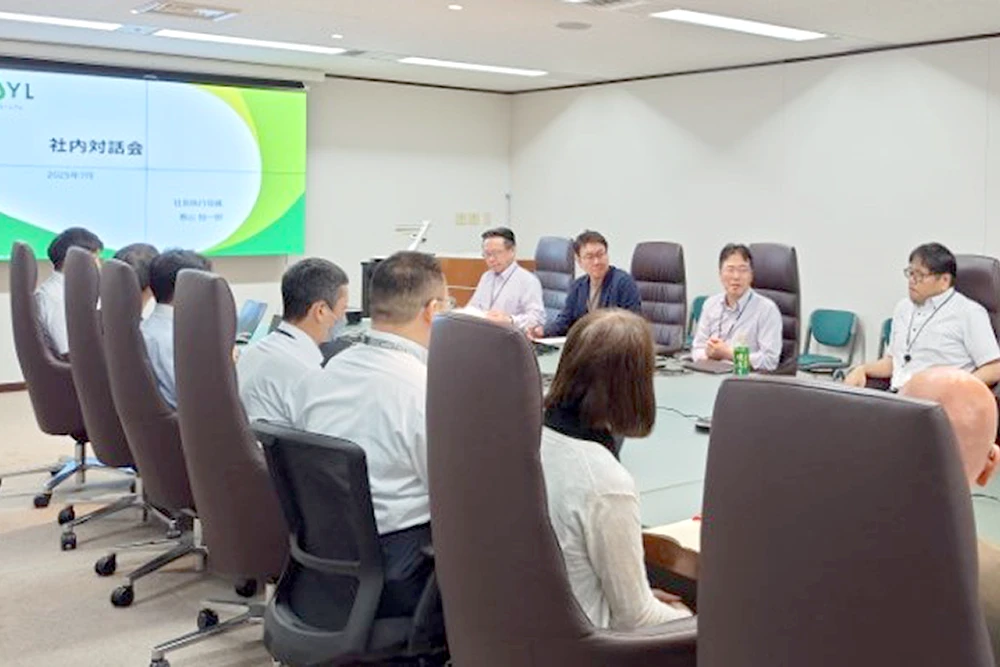
A dialogue between management and employees
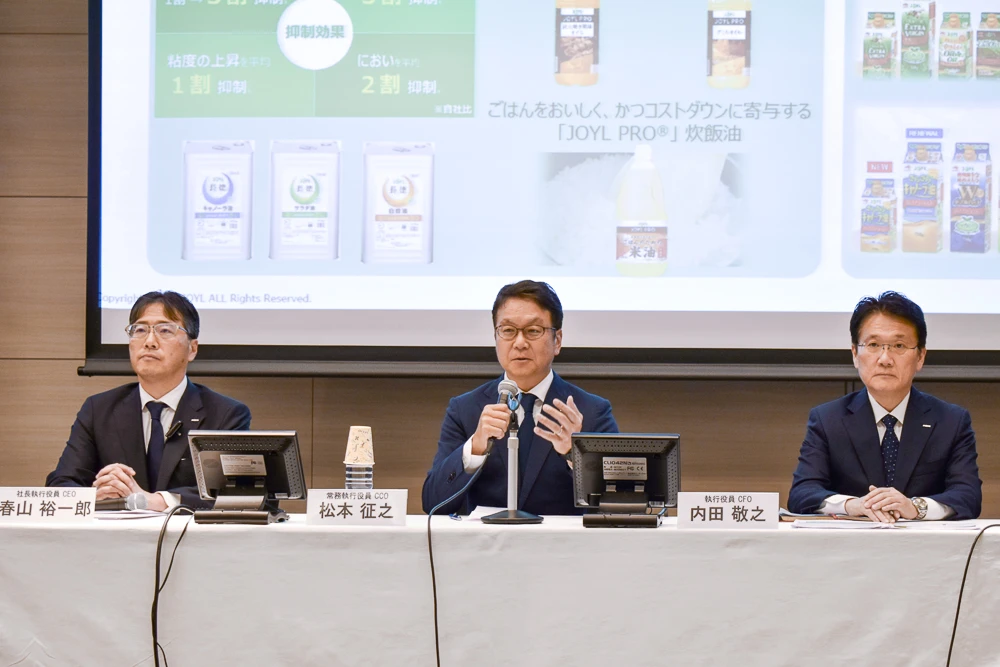
Full-year financial results briefing for the fiscal year ending March 2025
Stakeholders Main expectations/Requests An example of how to interact
Consumers/Customers Food safety and security
Compliance
Building trust
Pursuit of customer satisfaction
  • Accepting opinions and inquiries at the Customer Service Center
  • Information dissemination and interaction through official SNS
  • Daily sales activities and transactions
  • Solution proposal
  • Responding to corporate survey questionnaires
Employee Ensuring a comfortable working environment
Providing opportunities for challenge and growth
Promoting DE&I
Enhancing health and productivity management
Occupational Safety and Health
Compliance
  • Enhancement of various systems
  • Various employee training programs
  • Career development program implementation
  • Direct dialogue with management (such as "Joy for Life® Dining")
  • Establishment of an internal reporting system (helpline consultation desk)
  • Establishment of a system for interviews and consultations with industrial physicians and external counselors
  • Information dissemination and communication via the in-house portal
  • Conducting engagement surveys
  • Exchange of opinions and holding of dialogues with labor unions
Business Partners Food safety and security
Building a sustainable supply chain
Fair and equitable transactions
  • Explanation and exchange of opinions regarding Sustainable Procurement Policy and Standards
  • Exchange of opinions with producers in the source region
  • ESG-related communications: 42 in FY2024
  • SAQ (※) and interview implementation
Shareholders/Investors Timely and appropriate disclosure of information
Dialogue
Improving corporate value
Appropriate profit distribution
  • Holding of the Ordinary The General Meeting of Stockholders
  • Financial results briefings: Four times in fiscal 2024
  • Individual meetings with institutional investors and analysts: 22 times in fiscal 2024
Community Contribution to and cooperation with local communities
Food education activities
Contributing to solving environmental issues
  • Volunteering in the area adjacent to Plant (cleaning activities, etc.)
  • Sponsoring local events
  • Support for local activities, social contribution activities
  • Holding a food education experience event for children
  • Donations to environmental conservation activities
NPOs, NGOs, etc. Global information gathering
Sharing knowledge
  • Interactions with external experts, NGOs/NPOs, and industry groups
Academia Sharing of technology, knowledge, and human resources
  • Joint research
  • Endowed courses, etc.
*The CSR Procurement Self-Assessment Questionnaire, a common industry-wide questionnaire created by the Global Compact Network Japan (GCNJ), is based on international standards and consists of questions that reflect 10 principles in four areas: protection of human rights, elimination of unfair labor practices, environmental response, and anti-corruption.